The thrill of uncertainty
The allure of gambling largely stems from the excitement of uncertainty. Whenever a player places a bet, they are momentarily suspended in a state of anticipation, waiting to see if luck will favor them. This feeling is intensely stimulating and releases adrenaline, which can create a euphoric rush. The unpredictability associated with gambling captures our attention and can lead to a kind of addiction; each spin of a slot machine or toss of a card can feel like a fresh opportunity for excitement, especially when playing at an online casino uk fast withdrawal platform that enhances the overall experience. The very nature of risk and reward in gambling taps into a primal instinct that drives human behavior, making it an enticing activity for many.
The emotional rollercoaster that comes with gambling also plays a significant role in its appeal. Players often experience heightened emotions—ranging from joy and elation when winning to anguish and frustration when losing. This dichotomy of emotions can create a thrilling atmosphere, akin to a theatrical performance, which resonates with individuals seeking an escape from everyday life. Furthermore, the potential for a life-changing win adds a layer of hope and ambition that is difficult to resist. The extreme highs and lows can be intoxicating, encouraging players to chase the next big win, which reinforces their commitment to gambling.
Additionally, the thrill of uncertainty fosters a deep psychological connection to the concept of luck. Many gamblers delude themselves into believing that they can influence outcomes through rituals or superstitions. This belief in their own control over unpredictable events enhances their emotional investment in the activity. As a result, gambling becomes more than just a game; it transforms into a search for fortune, culminating in a powerful blend of desire and fear that keeps individuals coming back for more. This cycle of hope and despair can create a compelling narrative that keeps players engaged and invested in the outcome of each wager.
The social aspect of gambling
Gambling is often seen as a social activity that brings people together, creating a shared experience. Whether it’s a night out at a casino or a friendly poker game at home, the communal aspect of gambling fosters camaraderie and connection among participants. This social interaction is essential for many, as it allows them to bond with friends or meet new people, making the experience more enjoyable and fulfilling. The laughter, cheers, and shared tension of a close game can create lasting memories that enhance the overall appeal of gambling.
The interactions that occur during gambling can enhance the overall experience, as players share their victories and losses, creating a narrative that they all contribute to. This sense of community can be intoxicating, as it makes individuals feel like they are part of something larger than themselves. For many, this social engagement is just as rewarding as the gambling itself, as it satisfies innate human desires for companionship and belonging. The stories exchanged and the collective excitement contribute to an emotional connection that binds players together.

Furthermore, the social approval that can accompany gambling, such as cheers from friends or recognition in a competitive game, reinforces the activity’s allure. The shared excitement of a winning hand can create lasting bonds between players, while the drama of losses is often softened by the presence of others. This reinforcement makes the experience more thrilling, as individuals feel uplifted by their peers, translating to a desire to engage in gambling more frequently. The social dimension adds layers of meaning to the activity, transforming it into an event rather than just a pastime.
The role of dopamine and reward systems
At the heart of our love for gambling lies the brain’s reward system, driven primarily by the neurotransmitter dopamine. When a player wins, dopamine floods the brain, creating feelings of pleasure and satisfaction. This chemical reaction reinforces the behavior, making it likely that the individual will continue to pursue the activity in search of that same euphoric sensation. This cycle can lead to risky behavior, as players chase their next high, often ignoring the potential consequences. Understanding this biological foundation sheds light on why gambling can be so compelling and difficult to resist.
The unpredictability of gambling wins is particularly interesting from a psychological standpoint. The intermittent reinforcement schedule, where wins are spaced out unpredictably, leads to persistent behavior. Players may experience several losses before a win, but as long as they remember that a reward is possible, they will continue to gamble. This generates a kind of compulsive behavior that can be difficult to break, as individuals become entrenched in the belief that their next gamble could yield a significant payout. This notion of hope can be as addictive as the act of gambling itself, creating a powerful cycle of desire.
This relationship with dopamine is not limited to seasoned gamblers; it can affect anyone who participates in gambling activities. As people experience wins, they may unknowingly set in motion a psychological dependence on that adrenaline and pleasure. Over time, the drive to play becomes synonymous with the desire to feel good, leading to an intricate dance between enjoyment, control, and addiction that is core to the appeal of gambling. Recognizing these patterns can help individuals understand their motivations and behaviors surrounding gambling, potentially leading to healthier habits.
The escape from reality
For many individuals, gambling serves as a means of escaping the pressures and stresses of daily life. The immersive environment of casinos or the thrill of online gaming provides a temporary reprieve from reality. Players can lose themselves in the experience, forgetting about their troubles and responsibilities while indulging in the fantasy that comes with potential winnings. This escape can be incredibly appealing, drawing individuals back to gamble repeatedly, especially when faced with life’s challenges.
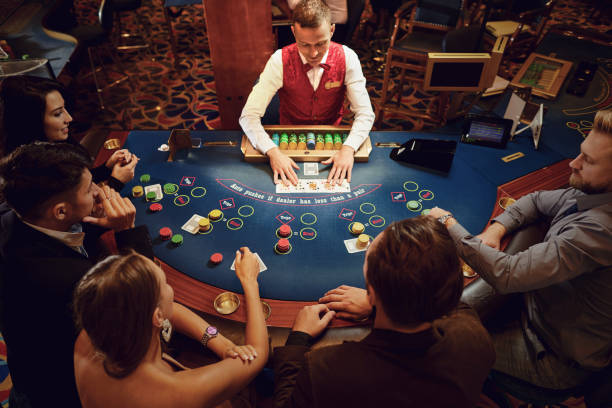
The sensory-rich environments of casinos, replete with flashing lights and captivating sounds, help create an alternate reality that is both intoxicating and disorienting. This atmosphere can be overwhelming, but it works to amplify the sense of escape, allowing players to disconnect from their routine. The excitement and the possibility of winning big often create an intoxicating blend, making it difficult to resist returning for more, even when one knows the risks involved. This escapism can be a double-edged sword, providing temporary relief while potentially leading to deeper issues.
This desire to escape can be magnified further by personal circumstances. People struggling with hardships—be it financial troubles, relationship issues, or emotional distress—may turn to gambling as a form of distraction. The thrill can become a coping mechanism, albeit one that often leads to further complications. While it may provide relief in the short term, reliance on gambling as an escape can spiral into a cycle of addiction, ultimately exacerbating the very problems individuals seek to evade. Understanding this dynamic is crucial for recognizing when gambling shifts from a form of entertainment to an unhealthy coping strategy.
Understanding the gambling landscape
Exploring the psychology behind gambling involves a multifaceted understanding of human behavior and motivation. A comprehensive grasp of these concepts can help individuals navigate their gambling tendencies responsibly. A growing number of resources and support networks are available for those who may struggle with their gambling habits, emphasizing the importance of understanding the underlying psychological factors at play. Websites focused on gambling education and responsible play can be valuable tools in this pursuit, offering insights and strategies to foster healthier habits.
These platforms provide information about safe gambling practices, as well as support mechanisms for those seeking help or needing advice. They often feature valuable content that delves into the psychological aspects of gambling, helping individuals to recognize patterns in their own behavior. By learning more about the triggers that lead to compulsive play, users can better manage their gambling habits and maintain a healthy balance between entertainment and responsibility. This knowledge empowers individuals to make informed choices about their gambling activities.
Understanding the psychology of gambling is essential not only for those who gamble but also for society as a whole. As awareness of the complexities of gambling grows, so do efforts to promote responsible gaming and educate individuals about the risks involved. Ultimately, fostering an environment where gambling is approached mindfully can contribute to a healthier relationship with this popular pastime, ensuring that it remains an enjoyable activity rather than a source of distress. This collective understanding can lead to more supportive communities and a greater emphasis on mental well-being in relation to gambling practices.